

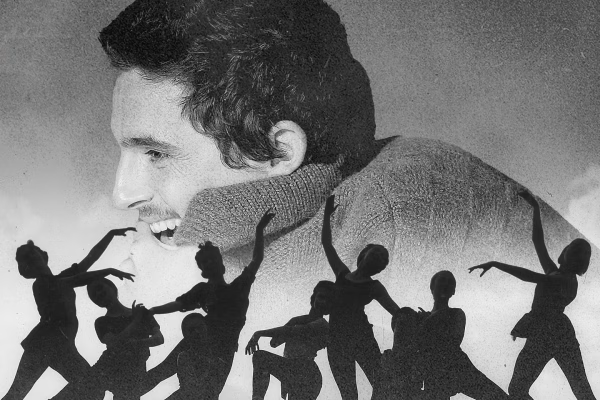
March 13, 2026, Los Angeles, CA. Actor Timothée Chalamet has recently faced backlash online after comments he made about ballet and opera during a public discussion about the future of movies. The actor, known for starring in films like Dune and Wonka, compared traditional performing arts to the movie industry while explaining his views on entertainment and audiences.
During the discussion, Chalamet said he did not want to work in “ballet or opera or things where it is like, ‘Hey, keep this thing alive,’ even though no one cares about it anymore” (Dalton, Mar. 2026). He also explained that he hopes movies will remain relevant for audiences, saying that film should feel “alive and exciting for people right now instead of something that only exists because people think it should” (Dalton, Mar. 2026).
The comment quickly spread across social media platforms, where many people criticized the statement as disrespectful to dancers, singers, and fans of those art forms. Ballet and opera have long histories and are considered important parts of cultural and artistic traditions. Ballet performers train for many years and often rehearse daily to maintain the strength and technique needed to perform on stage.
Several artists responded publicly to defend the performing arts. One professional dancer wrote online that “ballet is still loved by millions of people around the world and takes years of dedication and discipline” (Dance Magazine, Mar. 2026). Another performer explained that “these art forms are not outdated and they continue to inspire modern storytelling and performance” (Nolifi, Mar. 2026).
Some public figures also criticized Chalamet’s comments. Singer Doja Cat responded to the controversy online, writing that “opera and ballet have been around for centuries for a reason” and reminding audiences that they continue to influence modern music and performance (Russell, Mar. 2026). Critics argued that traditional performing arts still play an important role in culture even if they are not always as popular as movies or television.
However, not everyone agreed with the backlash. Some fans believed the comments were misunderstood or taken out of context. One ente
rtainment writer argued that Chalamet was “talking about the challenge of keeping older art forms popular with younger audiences, not attacking the artists themselves” (Loving, Mar. 2026).
Overall, the controversy surrounding Timothée Chalamet highlights how powerful public statements can be in the entertainment industry. His remarks about ballet and opera upset many artists who felt their work was being dismissed, while others believe the situation shows how easily comments can be misunderstood online. The debate has also encouraged more conversations about supporting traditional art forms and recognizing the dedication of performers in ballet and opera