

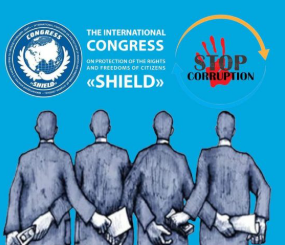
On October 30,2025 federal authorities in Jackson Mississippi announced that 20 individuals, including 14 current or former law enforcement officers from the Mississippi Delta, have been indicted for allegedly accepting bribes in exchange for allowing what they believed to be drug traffickers to move freely through the area.
The long term investigation spanned several counties across Mississippi and Tennessee. Among those taken into custody were Washington County Sheriff Milton Gaston and Humphreys County Sheriff Bruce Williams. According to authorities, some bribes reached as high as $37,000.
U.S. Attorney Clay Joyner described the case as “a profound betrayal of the public trust.” (Joyner, October 30,2025).
Federal officials revealed that several officers provided armed escorts for an undercover FBI agent posing as a cartel member, helping move approximately 25 kilograms of cocaine through Mississippi into Memphis. Others allegedly protected vehicles transporting drug money. Gaston and Williams are accused of approving the operations in exchange for cash, with one indictment claiming Gaston disguised the bribe payments as campaign donations which he then failed to report as required by law.
The investigation began after individuals who had been arrested complained about having to pay bribes to certain officers.
Corruption Of Officers
Many children grow up idolizing the badge, dreaming of a life devoted to justice, protection, and service. They imagine themselves helping communities, preventing crime, and making the world safer. Yet, when the very institutions they aspire to join are tainted by corruption, those dreams are threatened and the ideals of law enforcement become a cautionary tale rather than a reality.
Before assuming their duties, every law enforcement officer takes an oath of office a solemn promise to uphold the U.S. Constitution, protect citizens’ rights, and serve their communities with integrity. Yet, corruption within law enforcement continues to plague institutions worldwide.
This corruption is not merely an ethical lapse; it is a systemic failure that carries grave consequences. It involves the misuse of authority for personal gain through bribery, theft, collusion, or abuse of power. Each act of misconduct erodes public trust, weakens the justice system, and deepens the divide between citizens and those sworn to protect them.
When officers exploit their power instead of enforcing justice, they undermine one of the most essential pillars of democracy: public trust in justice itself, and in doing so they endanger the public their meant to protect.
Danger To The Public
Corruption in law enforcement is not a victimless crime. It puts the public in direct danger. For centuries, officers have betrayed their oath for reasons rooted in prejudice, greed, and power. These motives not only drive corruption but dismantle the very foundation of equality and accountability.
Imagine living in a community where the people meant to protect you are the ones you fear most. When officers commit crimes and the system shields them, the result is a devastating loss of confidence in justice. In too many cases, departments alter evidence, falsify reports, or silence whistleblowers to protect their own prioritizing reputation over truth.
We have seen these failures unfold in thousands of cases. For example, when families in Jackson discovered that the bodies of their loved ones had been buried in unmarked, numbered graves behind a county jail more than 215 individuals, hidden from public knowledge it exposed not only negligence but also the willingness of a system to bury its problems, both literally and figuratively.
Corruption is not always about taking bribes or using violence. Sometimes it manifests as cover ups, neglect, and silence officers using their power not to serve the people, but to conceal the truth. This neglect corrodes faith in oversight, fairness, and transparency. It creates fear and alienation, signaling to citizens that justice and dignity are not applied equally.
So the question becomes: Can we truly trust law enforcement? Can we believe in justice when those tasked with delivering it commit crimes behind closed doors or worse, collaborate with the very criminals they are sworn to stop?
The Constitutional Consequence
When a community cannot rely on its officers to act impartially and lawfully, the social contract between citizens and the state collapses. The danger extends beyond any single case it threatens the integrity of democracy itself.
The role of law enforcement is not merely to enforce the law but to safeguard constitutional rights. When officers violate those rights, turn a blind eye to misconduct, or join forces with criminal enterprises, they fail not just individuals they fail the entire system of justice that sustains a free society.
In conclusion, when citizens can no longer trust those sworn to protect them, they become vulnerable. That vulnerability turns to fear when law enforcement joins hands with criminals instead of confronting them
Restoring trust requires more than arrests and indictments. It demands transparency, accountability, and reform not just in Mississippi, but everywhere corruption takes root. Because in the end, justice cannot exist where truth is buried, and freedom cannot survive where law enforcement serves power instead of the people. As FBI Special Agent Robert Eikhoff stated, “Law enforcement is only effective when the community they protect can trust the law enforcement officers are honestly serving the community’s interests. This type of corruption strikes at the heart of the community.”(Eikhoff, October 30,2025).