
Hungarian voters turned out in large numbers on April 12,2026, delivering a decisive victory to opposition leader Peter Magyar and his Tisza party, which secured a two-thirds parliamentary majority, according to preliminary results. preliminary election results. (Al Jazeera Staff, April 12,2026)
Magyar has pledged to restore democratic institutions, including judicial independence and media freedom, while strengthening Hungary’s relationship with the European Union. According to AP News, EU officials said the block is prepared to negotiate the releases of billions in frozen funds once reforms begin. One officials added that cooperation “depends on concrete steps towards rule-of law standards,”highlighting the importance of Magyar’s early policy decisions (Spike and Mcneil, April 13,2026).
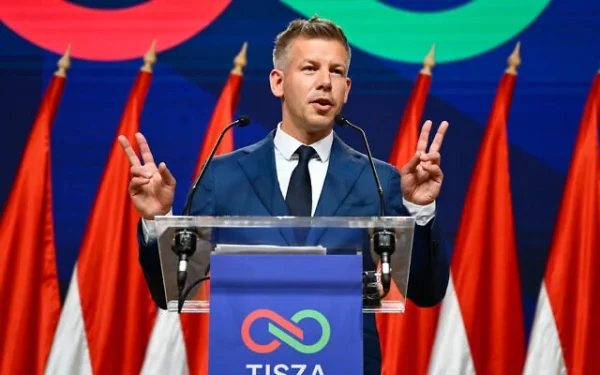
Analysts say that the victory could signal a shift in Hungary’s political direction, with voters expecting both reform and stability. He now faces the challenges of uniting a divided country, according to recent election analysts, while also delivering on promises to reduce corruption and improve public services. His government must also rebuild trust with the European Union as Hungary seeks stronger international ties and better cooperation with other countries. This may take time, as relationships have been strained in recent years. While his large majority gives him the power to act quickly, it also brings pressure to produce immediate results and meet high expectations from the public. Some experts believe that if he moves too could lead to mistakes or backlash from opponents. Experts say his decisions could determine whether his leadership brings lasting change or falls short of public hopes during his term in office. Overall, the coming months will be important in showing how effective his leadership will be and whether he can truly stand on his promises.

![The latest Republican criticism of comedian and TV host Jimmy Kimmel and call to kick him off the air came from United States First Lady Melania Trump [File: AFP] https://www.aljazeera.com/news/2026/4/27/melania-trump-blasts-kimmel-calls-on-abc-to-take-stand-against-comedian](https://northmontthunder.com/wp-content/uploads/2026/05/afp_69ef8a0faee1-1777306127.webp)