

November 3, 2025 — Los Angeles, CA — A new study from

the Keck School of Medicine at USC shows that young adults who eat high amounts of ultra-processed foods may face a greater risk of developing prediabetes and early metabolic health problems.
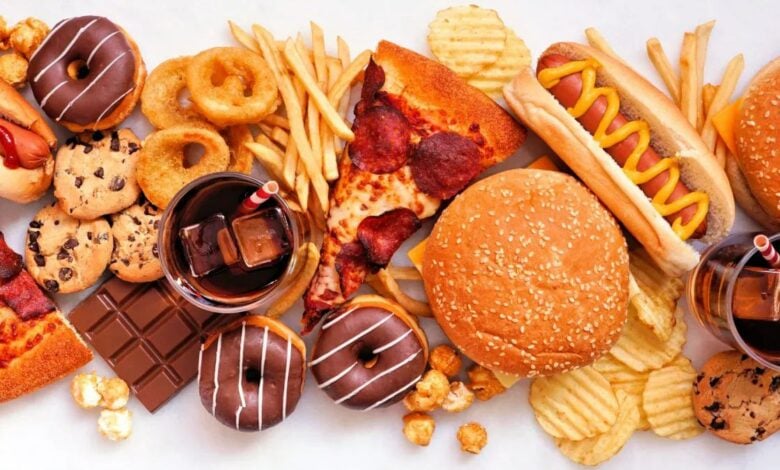
Researchers tracked 85 young adults for four years and found that those who regularly consumed sugary drinks, packaged snacks, fast food, and other heavily processed items showed higher blood-sugar levels and early signs of prediabetes (Keck School of Medicine, Nov 3 2025). Ultra-processed foods often contain additives, extra sugars, and unhealthy fats, making them convenient but potentially harmful when eaten frequently.
Lead researcher Lida Chatzi emphasized the impact of these findings, explaining that “even small increases in ultra-processed foods can disrupt glucose regulation” (Chatzi, Nov. 3, 2025). Co-researcher Li supported this conclusion, stating that “these foods raise the risk for pre-diabetes in young adults” (Li, Nov. 3, 2025). These statements highlight the growing concern surrounding dietary patterns among young people.
The study is especially important because many teens and young adults rely on ultra-processed foods every day due to their low cost and convenience. Health experts warn that daily habits now can turn into serious diseases later in life. Nutrition specialists recommend adding more whole foods—like vegetables, fruits, lean proteins, and whole grains—to reduce long-term risks.
Eating habits developed during young adulthood can have lasting effects on health. Researchers say that making even small changes, such as swapping sugary drinks for water or choosing fresh fruit instead of packaged snacks, can make a difference. The study also highlights the need for broader public awareness about the health risks of heavily processed foods and encourages policymakers to support nutrition education and healthier food options.
This research contributes to a national conversation about how diet affects long-term health, encouraging young people to make smarter food choices while they are still in their healthiest years.

![The latest Republican criticism of comedian and TV host Jimmy Kimmel and call to kick him off the air came from United States First Lady Melania Trump [File: AFP] https://www.aljazeera.com/news/2026/4/27/melania-trump-blasts-kimmel-calls-on-abc-to-take-stand-against-comedian](https://northmontthunder.com/wp-content/uploads/2026/05/afp_69ef8a0faee1-1777306127.webp)