

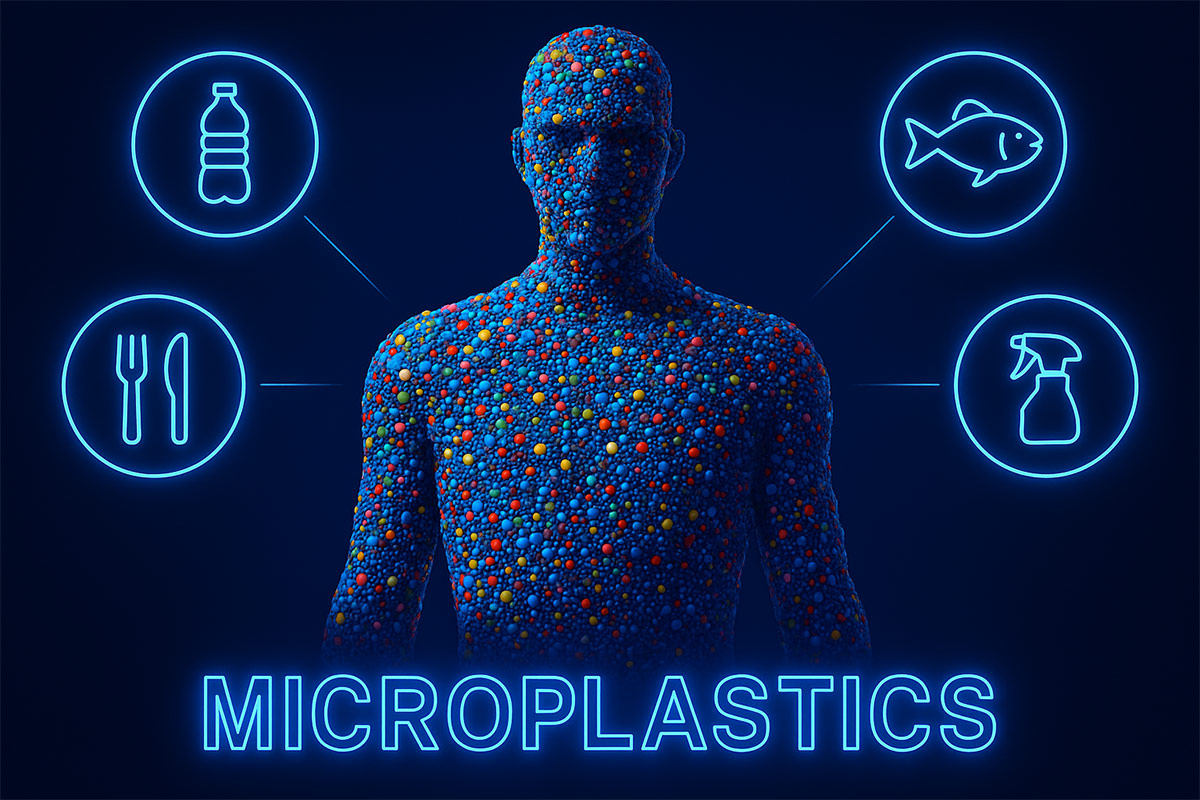
Recent news in Microplastics research reveals a sharp divide in the scientific community over what these tiny plastic particles mean for human health. On the one hand, scientists featured in a Fortune report are pushing back against widely publicized claims that microplastics cause serious harm, with some researchers describing earlier a huge impact studies. Including those reporting plastics in organs like the brain as scholarly weak or even a joke. Critics argue that false positives may explain findings, and suggest broader health trends like obesity might better account for observed health problems than plastic exposure. (Catherine Gionino, February 24)
At the same time, new research led by experts at NYU Langone Health is adding urgency to the conversation. A small study presented at a major cancer symposium found microscopic fragments of plastic in 9 out of 10 prostate cancer patients, with cancerous tissue containing about 2.5 times more microplastics than nearby non-cancerous tissue. The researchers behind the study are the first people to directly compare microplastics levels in tumors and healthy tissues. (Shira Polan, February 23)
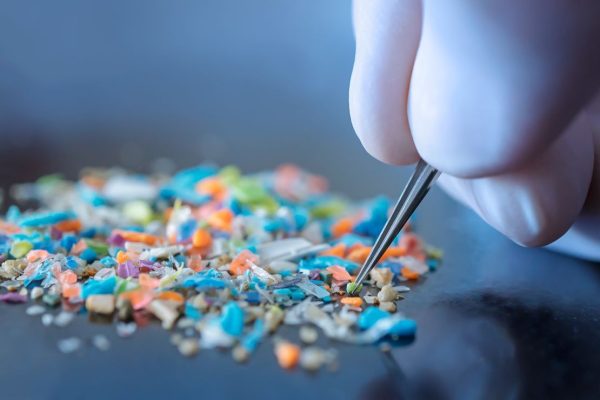
Together these developments show the scientific debate around microplastics health risks is intensifying, with some experts for calling for better research standards while others warn of real concerns that warrant further investigations.

![The latest Republican criticism of comedian and TV host Jimmy Kimmel and call to kick him off the air came from United States First Lady Melania Trump [File: AFP] https://www.aljazeera.com/news/2026/4/27/melania-trump-blasts-kimmel-calls-on-abc-to-take-stand-against-comedian](https://northmontthunder.com/wp-content/uploads/2026/05/afp_69ef8a0faee1-1777306127.webp)