
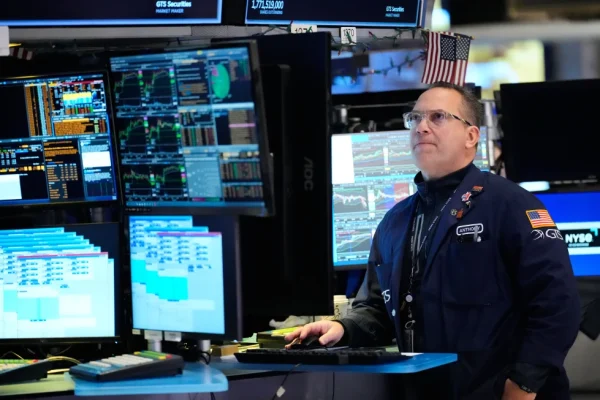
Oil prices have increased this week as rising conflict in the Middle East created concerns about disruptions to the global energy supply. Energy markets reacted quickly as fighting and military strikes raised fears that oil production and transportation could be affected.
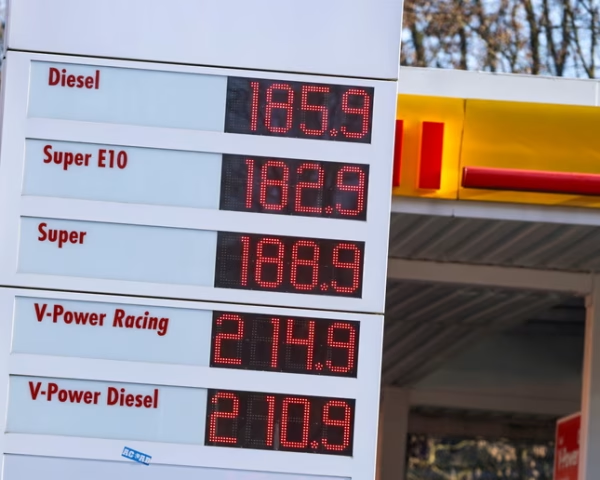
Global crude oil prices climbed as traders worried about potential shortages. U.S. benchmark crude rose to about $77 per barrel while the international Brent Crude benchmark reached nearly $83 per barrel following retaliatory involving Iran. Higher oil prices also pushed gasoline prices up across the United States an energy markets responded to the conflict.(Eres Tunagur, March 4, 2026).
Shipping routes have also become a major concern for global energy markets. The Strait of Hormuz, located between Iran and Oman, carries roughly one-fifth of the world’s oil supply each day. Recent attacks and threats to ships in the region have slowed tanker traffic and caused hundreds of vessels to wait outside the Strait. (Jon Gambrell and Mae Anderson, March 3,2026).
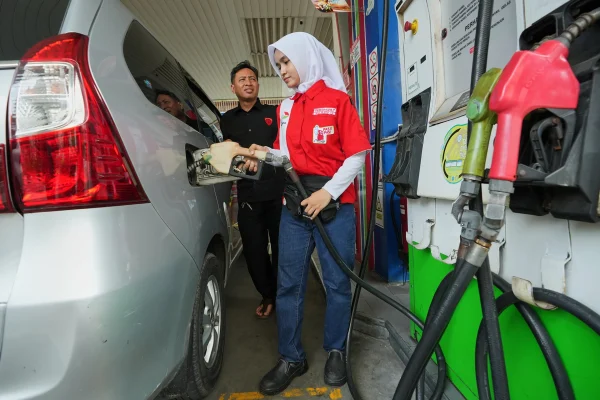
The increase in oil prices have already affected consumers. Gasoline prices in the United States rose nearly 9 percent in the one week, increasing from about $2,98 per gallon to roughly $3.25 as markets responded to the growing conflict. (Elaine Kurtenbach, March 5, 2026).
The increase in oil prices has already affected consumers. Gasoline prices in the United States rose nearly 9 percent in one week, increasing from about $2.98 per gallon to roughly $3.25 as markets responded to the growing conflict. (Elaine Kurtenbach, March 5,2026).
Economists warned that prolonged instability in the Middle East could affect economies worldwide. Higher oil prices can lead to increased transportation costs, higher prices for goods and services, and rising inflation. Governments and energy companies continue to monitor the conflict as global markets react to changes in supply and security in the region. (Anton L. Delgado and Aniruddha Ghosal, March 4,2026).

![The latest Republican criticism of comedian and TV host Jimmy Kimmel and call to kick him off the air came from United States First Lady Melania Trump [File: AFP] https://www.aljazeera.com/news/2026/4/27/melania-trump-blasts-kimmel-calls-on-abc-to-take-stand-against-comedian](https://northmontthunder.com/wp-content/uploads/2026/05/afp_69ef8a0faee1-1777306127.webp)